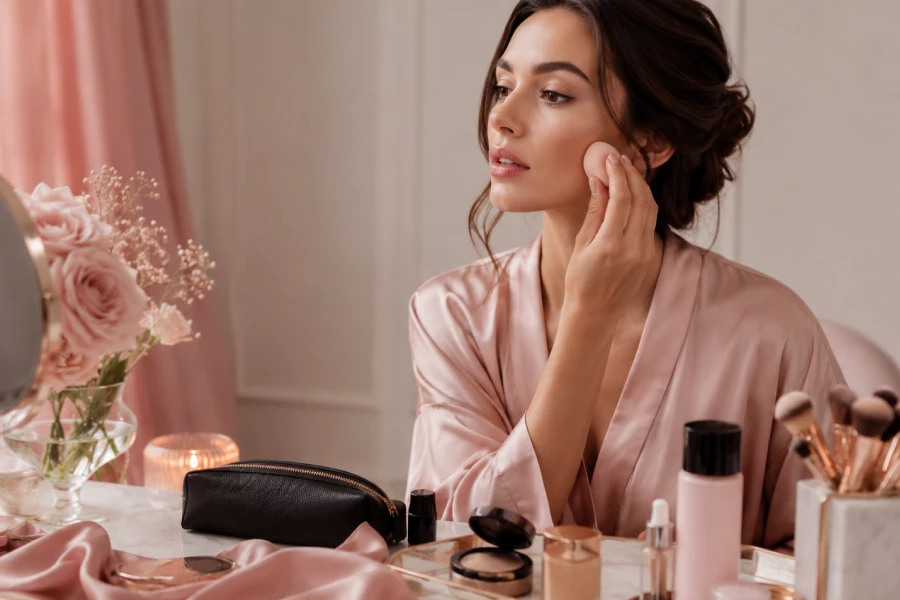
Makeup looks easy in perfect lighting, but real days are less forgiving. Heat, stress, errands, meetings, and long evenings can all test your base. Long lasting makeup works when every layer supports the next one. It is not only about using stronger products. It is about preparing skin, applying thin layers, and choosing textures that fit your lifestyle. The goal is a polished face that still looks like skin. When your routine works, you stop checking mirrors every hour. A smart all-day makeup routine gives beauty more staying power.
Skin prep decides more than many people expect. Foundation cannot sit smoothly on dry patches, excess oil, or heavy residue. Clean skin gives your products a better surface. Lightweight moisturizer helps balance texture. Sunscreen should settle before makeup begins. Primer can help, but only when it matches your skin needs. A mattifying primer may not suit dry cheeks. A luminous primer may not help an oily T-zone. Long lasting makeup starts when each step solves a real problem. That approach prevents the heavy, cakey look that often happens when people overcorrect.
Heavy makeup usually breaks down faster because it has more product to move. Thin layers grip better and look fresher longer. Start with a small amount of foundation. Add coverage only where needed. Use concealer strategically around redness, shadows, or blemishes. This keeps the face flexible. Skin moves when you talk, smile, and eat. Makeup should move with it. Powder only the areas that need control. A balanced makeup longevity technique makes the finish feel polished, not masked.
Oil control needs strategy, not panic. Over-powdering can make skin look flat, textured, or older. Instead, target the areas that shine first. Many people need control around the nose, forehead, and chin. Leave the outer face softer if it stays balanced. Long lasting makeup performs better when you let different zones need different solutions. Blotting papers can refresh the face without adding more product. Setting spray can also help mesh layers together. The best finish looks intentional. It should not appear dry, dusty, or overloaded by midday.
Products can fail when formulas clash. A water-based foundation may not sit well over a silicone-heavy primer. A creamy blush can disturb unset foundation if applied roughly. Powder can patch if the base is still too wet. Pay attention to texture, timing, and pressure. Let layers settle before adding the next one. Use tapping motions instead of dragging. Choose formulas that suit your skin and schedule. A strong flawless makeup method feels coordinated from skin prep to final setting.
Long days require small adjustments. Event makeup may need more structure, while workday makeup should feel comfortable for hours. Long lasting makeup can adapt to both situations. For events, layer cream and powder blush lightly for better staying power. For work, focus on a breathable base and controlled shine. Keep lips easy to refresh. Choose eye products that resist creasing. A setting spray can help everything look less powdery. Most importantly, test the routine before the important day. Reliable beauty comes from practice, not last-minute experiments.
End-of-day makeup should not look like a mask fighting for survival. Refresh strategically instead of reapplying everything. Blot shine first. Smooth creasing gently with clean fingers. Add a tiny amount of concealer only where coverage faded. Mist lightly if your skin looks dry. Long lasting makeup stays prettier when you preserve the original layers. A little blush can restore life quickly. Lip color also changes the whole face. The best routine gives you control without needing a full reset. That is what makes it practical for real life.

Leave a comment